
Advanced Periodontal Treatment
Pocket Reduction Surgery in Glendale, CA
Effective treatment for deep periodontal pockets to restore healthier, more stable gums.
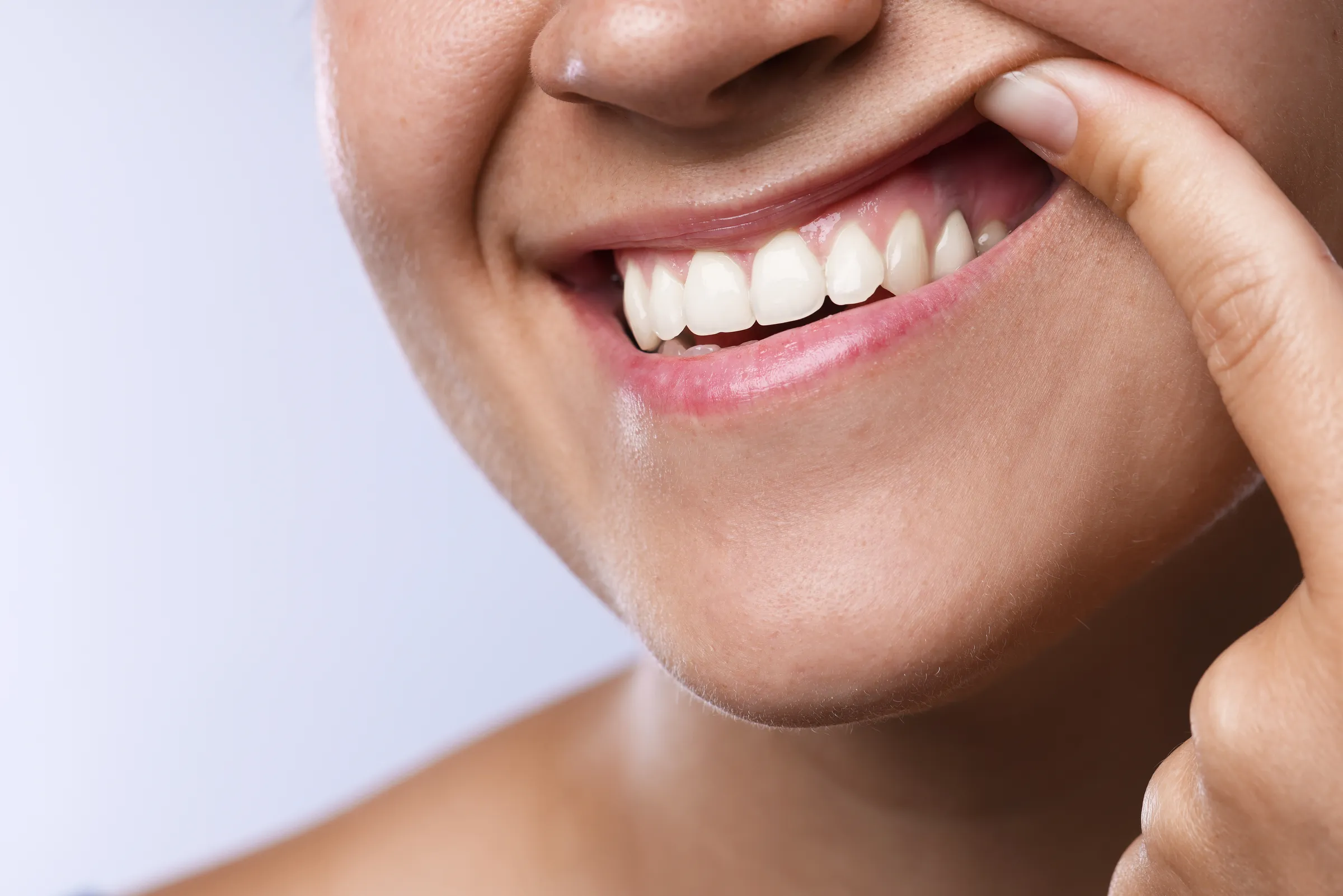
Pocket reduction surgery, also known as osseous surgery, at Pacific Dental Care in Glendale, CA targets advanced gum disease by reducing deep pockets where bacteria collect. This proven procedure removes infected tissue, reshapes damaged bone, and helps your gums reattach for long-term periodontal stability.
Pocket Reduction Surgery in Glendale, CA

Treating Deep Gum Pockets for Lasting Oral Health
When gum disease advances, the tissue around your teeth begins to detach, forming deep pockets that trap bacteria and lead to bone loss. Pocket reduction surgery is a highly effective way to stop this progression and restore healthier gum attachment. At Pacific Dental Care, we take a gentle, patient-centered approach to periodontal care.
Jump to: Why Pocket Reduction Is Needed →, How Osseous Surgery Works →, Healing & Long-Term Care →
Why Pocket Reduction Surgery Is Recommended
Scaling and root planing can treat early gum disease, but deep or recurring pockets often require surgical correction to prevent further damage.
- Deep Periodontal Pockets Critical pockets remain too deep to clean at home.
- Persistent Gum Inflammation Diseased tissue remains even after deep cleaning.
- Bone Irregularities Bacterial buildup has damaged and reshaped the surrounding bone.
How Osseous Surgery Works
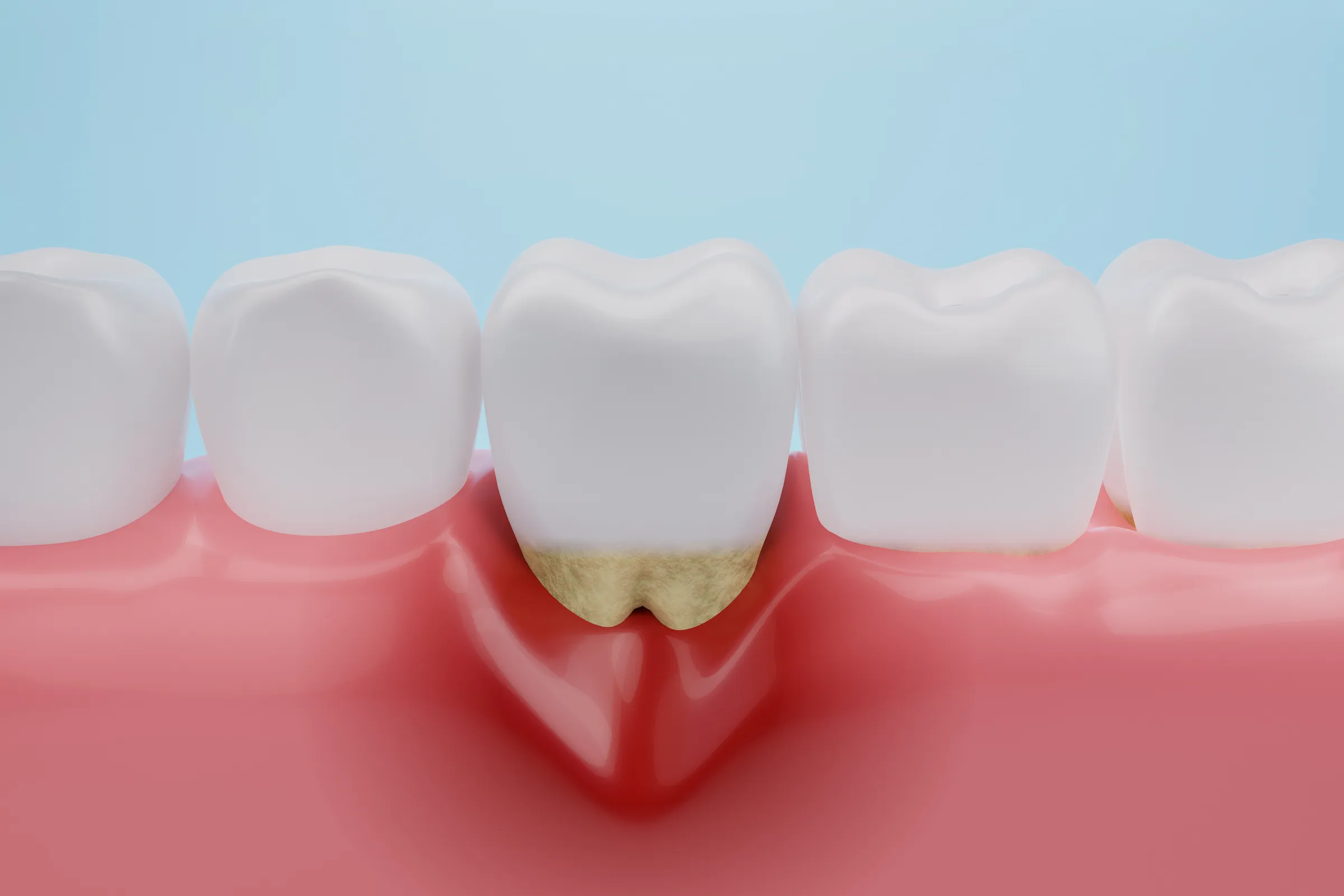
During pocket reduction surgery, we gently lift the gum tissue to access the roots and underlying bone. After removing bacteria and diseased tissue, the bone is smoothed and reshaped so the gums can reattach more closely to the tooth surface.
- Removal of infected tissue and hardened calculus below the gums
- Smoothing of damaged bone to reduce areas where bacteria hide
- Precise reshaping for better gum reattachment
- Advanced techniques for reduced discomfort and improved healing
This procedure significantly reduces pocket depth, making daily cleaning easier and helping halt the progression of gum disease.
Healing, Results & Long-Term Maintenance
After surgery, mild tenderness and swelling are normal and typically subside within a few days. As gums heal and reattach, pocket depth decreases, improving both oral health and long-term stability for your teeth.
- Improved Gum Attachment Gums fit more snugly around teeth after healing.
- Reduced Infection Risk Fewer deep spaces for bacteria to accumulate.
- Maintenance Visits Continued periodontal cleanings every 3–4 months support long-term success.
If you’ve been diagnosed with advanced gum disease or have deep pockets that haven’t improved with non-surgical care, call our office or contact our team to schedule a periodontal evaluation.
The short answer
Pocket reduction surgery, also known as osseous surgery, is a periodontal procedure that treats advanced gum disease by reducing the deep pockets where bacteria collect. The gum tissue is gently lifted to reach the roots and bone, infected tissue and hardened calculus are removed, and the damaged bone is smoothed and reshaped so the gums can reattach more closely to the teeth. It makes daily cleaning easier, helps halt gum disease and lowers the risk of bone and tooth loss.
Pocket Reduction Surgery FAQs
- Is pocket reduction surgery painful?
- Pocket reduction surgery is not usually very painful, because it is performed with local anesthesia. Sedation is also available if you would like it. Most patients report only mild discomfort while healing. Mild tenderness and swelling typically subside within a few days.
- How is pocket reduction different from deep cleaning?
- Pocket reduction surgery treats deeper, more advanced pockets, while a deep cleaning treats early gum disease. Deep cleaning removes buildup without surgery. Pocket reduction surgery goes further by reducing pocket depth and reshaping the bone. It is often recommended when pockets remain too deep after deep cleaning.
- How long is recovery?
- Initial healing after pocket reduction surgery takes several days. Full reattachment of the gums continues for several weeks. As the gums heal, pocket depth decreases. We provide detailed home care instructions to support your recovery.
- Will my gum disease be cured?
- Osseous surgery effectively reduces pockets and infection, but it cannot by itself prevent gum disease from returning. Ongoing home care is crucial after treatment. Periodontal maintenance visits are just as important. Continued cleanings every 3–4 months support long-term success.
- Are results permanent?
- With proper care, pocket reduction surgery provides long-term stability. The gums fit more snugly around the teeth after healing. Gum disease can still return without regular maintenance. Good home care and periodontal cleanings help keep the results.
- Can this procedure save my teeth?
- Yes, pocket reduction surgery can help save your teeth. Reducing pocket depth lowers the risk of bone loss and tooth loss. It also leaves fewer deep spaces for bacteria to collect. The aim is to preserve your natural teeth whenever possible.
- How do I get started?
- Getting started with pocket reduction surgery begins with a periodontal consultation. We evaluate your gums and pocket depths to see whether surgery is right for you. This is often the next step when deep pockets have not improved with non-surgical care. To schedule, simply call our office or contact our team.
Best Dental Experience
Dr. Marine’s patient care is impeccable. Her attention to detail is exceptional, and she never takes shortcuts. She always recommends what’s truly best for her patients — even if it takes more time. She creates beautiful, natural-looking veneers that reflect her dedication to both function and aesthetics.


Real Smiles. Real Results


Affordable Care
We accept all major credit cards, debit cards, cash and checks. We also accept many dental insurance plans and for those who qualify, we partner with CareCredit for affordable monthly payments.

Schedule Appointment
Call us now at (818) 547-4949 or visit at 532 W Glenoaks Blvd , Glendale, CA 91202