Preventive Dentistry
Dental Sealants in Glendale, CA
Simple, painless protection for cavity-prone teeth in children, teens, and adults.
Dental sealants at Pacific Dental Care in Glendale, CA provide an extra layer of defense against tooth decay. By sealing deep grooves and pits on the chewing surfaces of molars, sealants help keep food particles and bacteria out, greatly reducing the risk of cavities.
Dental Sealants in Glendale, CA
What Are Dental Sealants?
Dental sealants are thin, protective coatings made from a tooth-colored plastic material that is applied to the biting surfaces of back teeth. At Pacific Dental Care in Glendale, CA, we recommend sealants as a highly effective way to protect cavity-prone molars, especially in children and teens, but also for adults with deep grooves.
How Sealants Help Prevent Cavities
The chewing surfaces of molars have natural pits and fissures where bacteria and food can accumulate. Sealants act as a barrier, smoothing these areas and making them easier to keep clean with regular brushing and flossing.
- Blocks Bacteria & Food Fills in deep grooves where debris tends to collect.
- Reduces Decay Risk Studies show sealants can significantly lower the chance of cavities.
- Supports Long-Term Health Helps preserve natural tooth structure over time.
The Dental Sealant Procedure
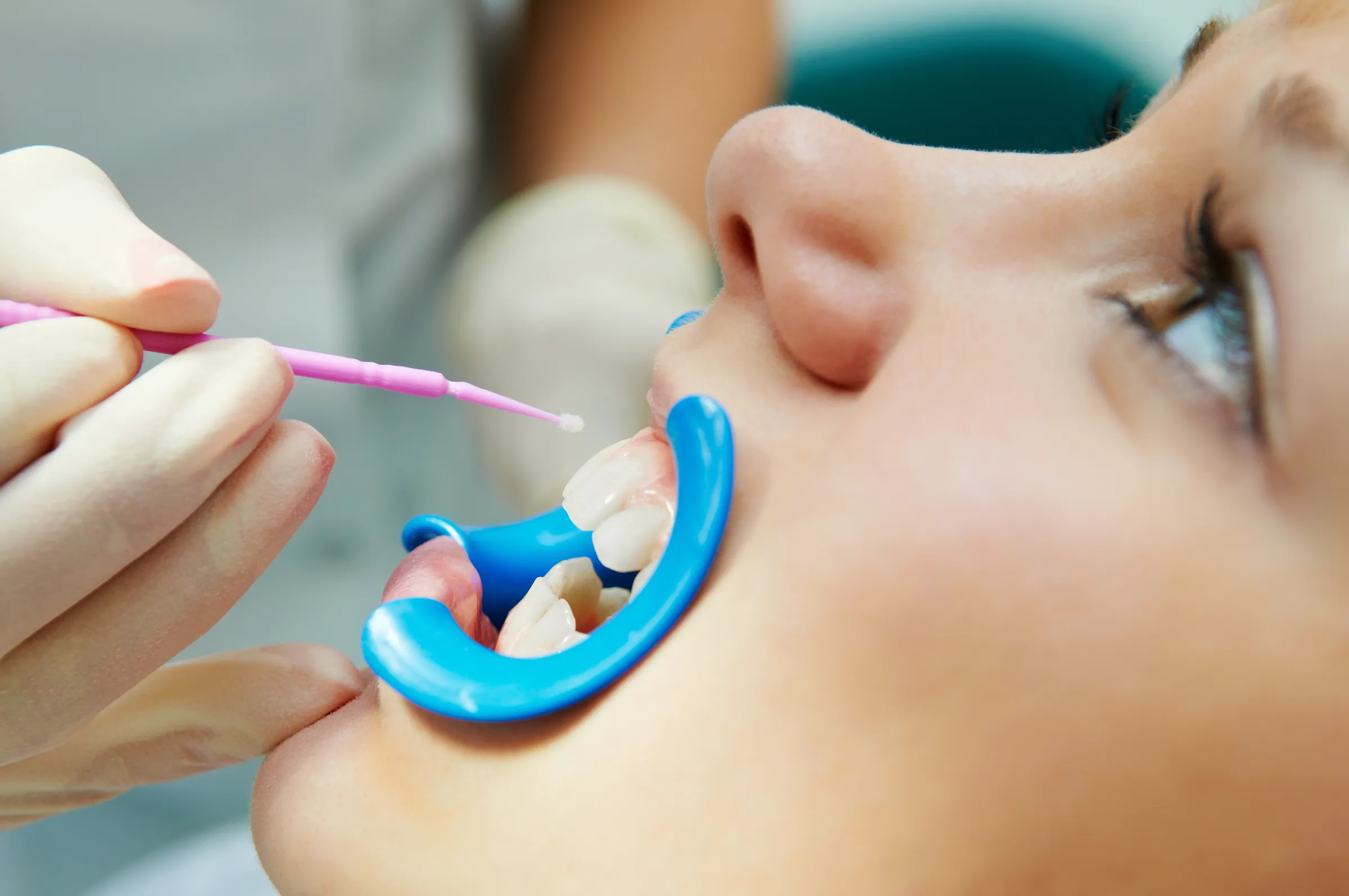
The sealant process is quick, comfortable, and noninvasive. No drilling or numbing is usually needed. After cleaning and drying the tooth, the liquid sealant is applied, then hardened with a special light so it bonds to the enamel.
- Careful cleaning and preparation of the tooth surface
- Application of liquid sealant into pits and grooves
- Light-curing to quickly harden and secure the protective layer
Who Can Benefit from Dental Sealants?
Sealants are most commonly recommended for children and teens shortly after their first and second molars erupt, but adults with deep grooves can benefit as well. Even with sealants, daily brushing, flossing, and regular checkups remain essential. To find out if sealants are right for you or your child, simply call our office or contact our team to schedule a visit.
The short answer
Dental sealants are thin, protective coatings of tooth-colored plastic applied to the chewing surfaces of the back teeth to help prevent cavities. The tooth is cleaned and dried, the liquid sealant is painted into the pits and grooves, and a special light hardens it so it bonds to the enamel, usually with no drilling or numbing. Sealants keep food and bacteria out of deep grooves and are most often placed on children’s and teens’ molars, though adults can benefit too.
Dental Sealant FAQs
- Are dental sealants only for children?
- No, dental sealants are not only for children. They are often applied to children’s and teens’ molars shortly after they erupt. Adults with cavity-prone or deeply grooved teeth can benefit as well. We check your molars during a visit to see whether sealants would help.
- Do sealants hurt?
- No, sealants do not hurt. The procedure is quick, with no drilling or injections in most cases. The tooth is simply cleaned and dried, the sealant is applied and a light hardens it. Most patients find the process comfortable from start to finish.
- How long do dental sealants last?
- Dental sealants can last for several years with good oral hygiene and regular dental checkups. At each checkup we look at the sealants to make sure they are still intact. If a sealant wears or chips, it can be repaired or replaced. That keeps the protective layer working over time.
- Will I still need to brush and floss?
- Yes, you still need to brush and floss with sealants. Sealants protect specific chewing surfaces, not the whole tooth. Daily brushing, flossing and routine cleanings are still essential for your overall oral health. Sealants simply make those deep grooves easier to keep clean.
- Can sealants be placed on teeth that already have cavities?
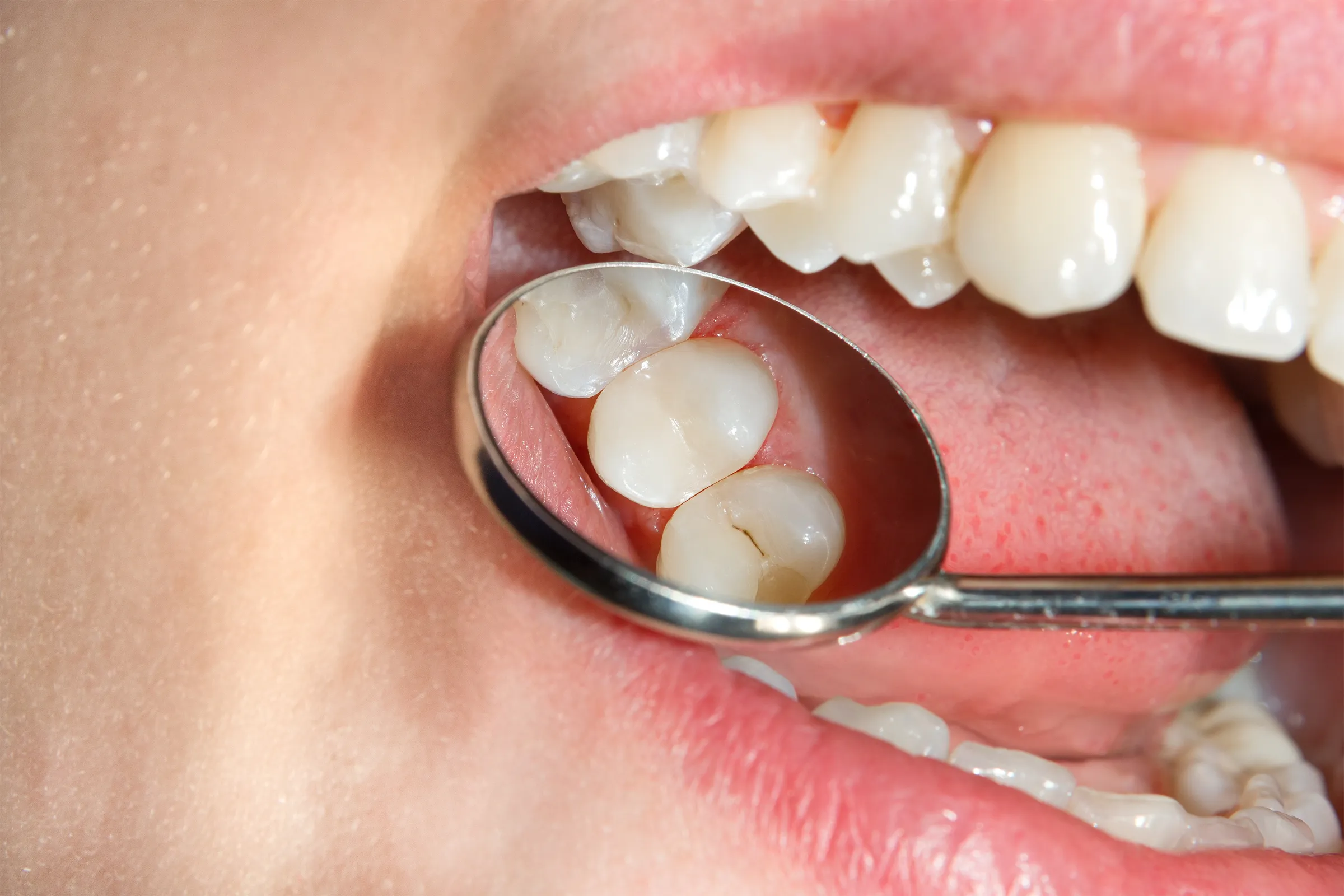
- Sealants are most effective on healthy teeth without decay. A sealant is designed to prevent cavities, not to treat an existing cavity. If a cavity is present, it typically needs to be treated with a filling instead. We check each tooth before placing a sealant.
- Are sealants noticeable?
- No, sealants are usually not noticeable. They are clear or tooth-colored and blend in with your natural teeth. They are also placed only on the chewing surfaces of the back teeth. That makes them barely noticeable when you talk or smile.
- How do I know if my child needs sealants?
- We can tell whether your child needs sealants by evaluating their molars and their risk of decay at a checkup. Sealants are commonly recommended soon after the first and second molars come in. If we recommend them, we will explain the benefits and next steps. To learn more or schedule an appointment, simply call our office or contact our team.
Best Dental Experience
Dr. Marine’s patient care is impeccable. Her attention to detail is exceptional, and she never takes shortcuts. She always recommends what’s truly best for her patients — even if it takes more time. She creates beautiful, natural-looking veneers that reflect her dedication to both function and aesthetics.


Real Smiles. Real Results


Affordable Care
We accept all major credit cards, debit cards, cash and checks. We also accept many dental insurance plans and for those who qualify, we partner with CareCredit for affordable monthly payments.

Schedule Appointment
Call us now at (818) 547-4949 or visit at 532 W Glenoaks Blvd , Glendale, CA 91202