
Gentle Lip & Tongue Release
Frenectomy in Glendale, CA
Comfort-focused treatment to release tight tissue and support healthier function and alignment.
Frenectomy at Pacific Dental Care in Glendale, CA is a small procedure that can make a big difference. By gently releasing or repositioning a tight lip or tongue attachment (frenum), we can improve speech, feeding, oral hygiene, and even help prevent or correct gaps between teeth.

Frenectomy in Glendale, CA
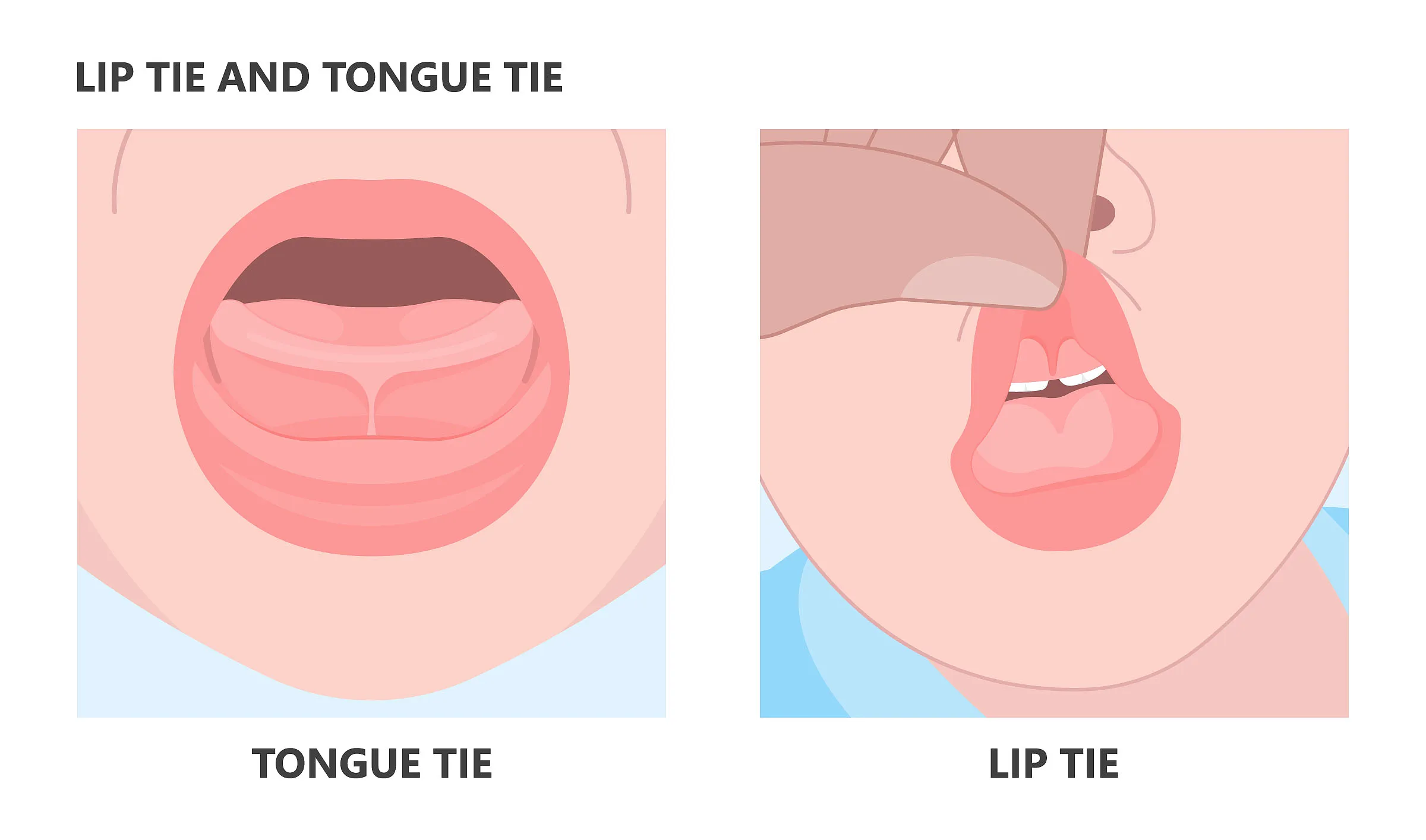
What Is a Frenectomy?
A frenectomy is a minor surgical procedure that removes or repositions a frenum—the small band of tissue connecting the lips or tongue to the gums or floor of the mouth. When this tissue is too short, thick, or tight, it can limit movement, contribute to spacing (diastema), or interfere with normal function.
Jump to:
Labial (Lip) Frenectomy →,
Lingual (Tongue) Frenectomy →,
Frenectomy & Orthodontics →
Labial (Lip) Frenectomy
The labial frenum connects the inside of the upper lip to the gum tissue above the front teeth. When this tissue is oversized or attaches too low, it can create or maintain a gap between the upper front teeth (diastema) and pull on the gums.
- Diastema Support Releasing a tight labial frenum can help close or maintain closure of gaps between front teeth.
- Improved Comfort Reduces pulling on the gums and lip when smiling or speaking.
- Better Hygiene Access Makes brushing and cleaning around the front teeth easier.
Lingual (Tongue) Frenectomy
The lingual frenum is the tissue under the tongue. When too tight (often called a “tongue-tie”), it can limit movement, affect breastfeeding or bottle-feeding in infants, and contribute to speech or swallowing difficulties in older children and adults.
- Releases restricted tongue movement for improved function
- Can support clearer speech and more natural oral development
- Often quick, with minimal bleeding and fast healing
Frenectomy & Orthodontic Treatment
In some cases, an oversized or low-attaching frenum can prevent a gap between the upper front teeth from closing—or cause it to reopen after orthodontic treatment. A carefully timed frenectomy can support braces, clear aligners, or diastema closure and help keep results stable.
For children whose adult teeth are still erupting, labial frenectomy may even allow the teeth to drift closer together naturally. For teens and adults, frenectomy is often combined with orthodontics or cosmetic options such as bonding or veneers to refine final spacing and smile aesthetics.
- Supports Diastema Closure Helps prevent gaps from reopening after braces or aligners.
- Complements Smile Makeovers Often part of comprehensive cosmetic and functional planning.
- Simple, Predictable Procedure Usually completed in a single visit with straightforward aftercare.
If you or your child has a prominent tissue band, a gap between the front teeth, or concerns about lip or tongue movement, call our office or contact our team to schedule a frenectomy evaluation.

The short answer
A frenectomy is a minor surgical procedure that removes or repositions a frenum, the small band of tissue connecting the lips or tongue to the gums or floor of the mouth. The area is numbed with local anesthesia and the tight tissue is released with laser or traditional instruments, usually in a single visit with straightforward aftercare. It can improve tongue and lip movement, speech, feeding and oral hygiene, and help close or keep closed a gap between the front teeth.
Frenectomy FAQs
- What symptoms suggest a frenectomy might be needed?
- Signs that a frenectomy might be needed include a gap between the upper front teeth and difficulty lifting or extending the tongue. Speech challenges, feeding problems in infants and gums that pull when the lip moves are also common signs. These happen when the frenum is too short, thick or tight. An evaluation shows whether releasing it would help.
- Is frenectomy painful?
- A frenectomy is not usually very painful, because the area is numbed with local anesthesia first. The procedure is typically very quick. Mild soreness afterward is normal. It usually resolves within a few days.
- Can a frenectomy close a gap between my front teeth?
- A frenectomy can help close a gap between your front teeth, but many cases also need braces, aligners or cosmetic treatment for complete closure. Releasing a tight frenum lets the teeth move together or stay together after orthodontics. In children whose adult teeth are still coming in, the teeth may drift closer together naturally. For teens and adults, it is often combined with bonding or veneers.
- Is frenectomy safe for children?
- Yes, frenectomy is considered safe for children. It is routinely performed when a tongue-tie or lip-tie interferes with feeding, speech or tooth alignment. We carefully assess the timing and approach for each child. The procedure is often quick, with minimal bleeding and fast healing.
- How long does healing take?
- Most patients notice healing within one to two weeks after a frenectomy. We give you specific guidance about diet, oral hygiene and stretching exercises when they are needed. Following that guidance helps the area heal well. Mild soreness in the first few days is normal.
- Will I need stitches?
- Some frenectomies need a few small sutures, while others do not. It depends on where the frenum is, the technique used and whether laser or traditional instruments are chosen. We explain what to expect for your procedure beforehand. Aftercare is straightforward in either case.
- How do I get started?
- Getting started with a frenectomy begins with an evaluation. We look at the tissue band, your tongue or lip movement and any gap between the front teeth. We then explain whether a frenectomy, orthodontics or both would help. To schedule, simply call our office or contact our team.
Best Dental Experience
Dr. Marine’s patient care is impeccable. Her attention to detail is exceptional, and she never takes shortcuts. She always recommends what’s truly best for her patients — even if it takes more time. She creates beautiful, natural-looking veneers that reflect her dedication to both function and aesthetics.


Real Smiles. Real Results


Affordable Care
We accept all major credit cards, debit cards, cash and checks. We also accept many dental insurance plans and for those who qualify, we partner with CareCredit for affordable monthly payments.

Schedule Appointment
Call us now at (818) 547-4949 or visit at 532 W Glenoaks Blvd , Glendale, CA 91202