Preventive Oral Health
Oral Cancer Screenings in Glendale, CA
Early detection for peace of mind and long-term oral health protection.
Oral cancer screenings at Pacific Dental Care in Glendale, CA are quick, comfortable exams designed to identify early signs of abnormal tissue changes. With advanced imaging and expert evaluation, our team helps ensure any concerns are detected and addressed as early as possible.
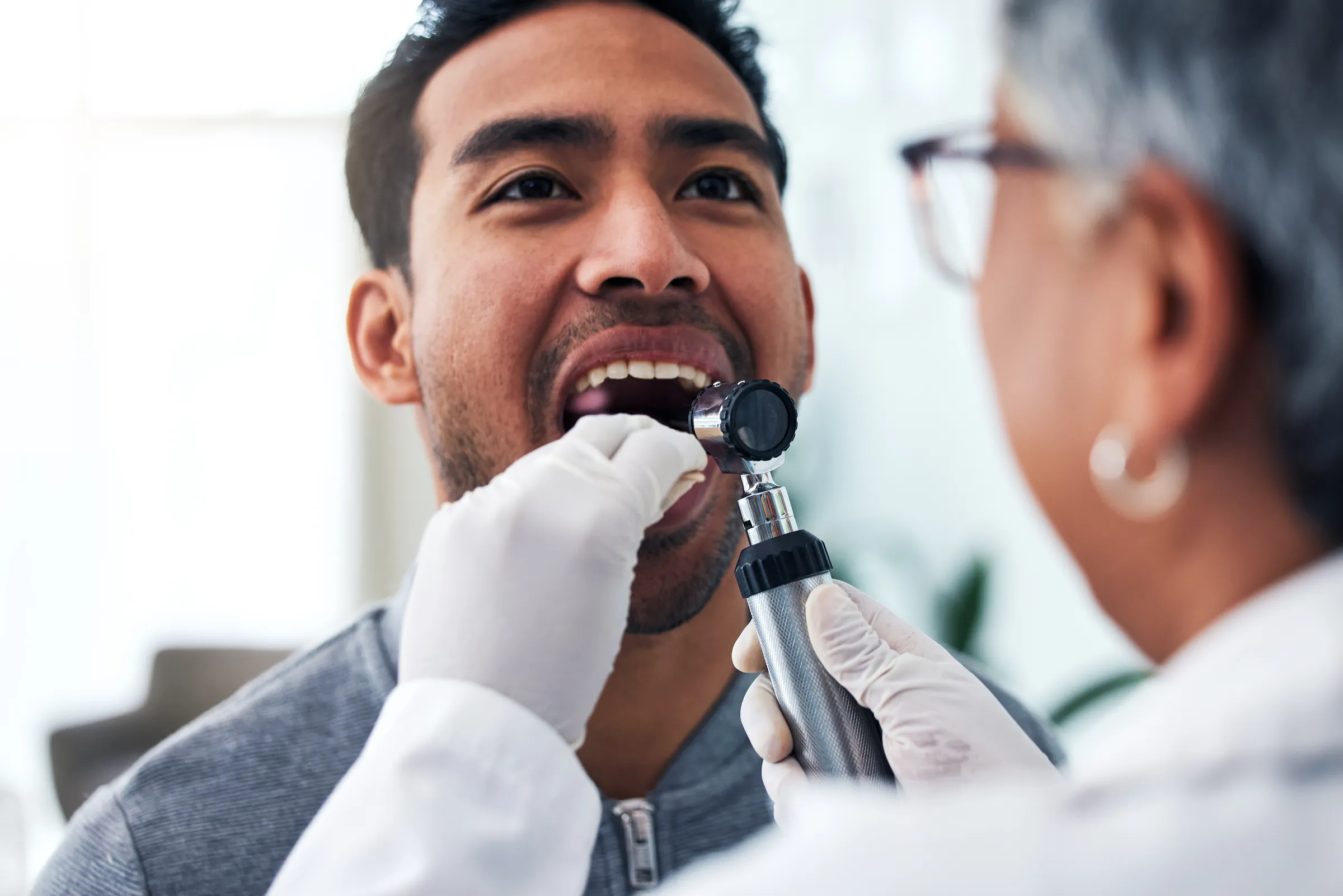
Oral Cancer Screening in Glendale, CA
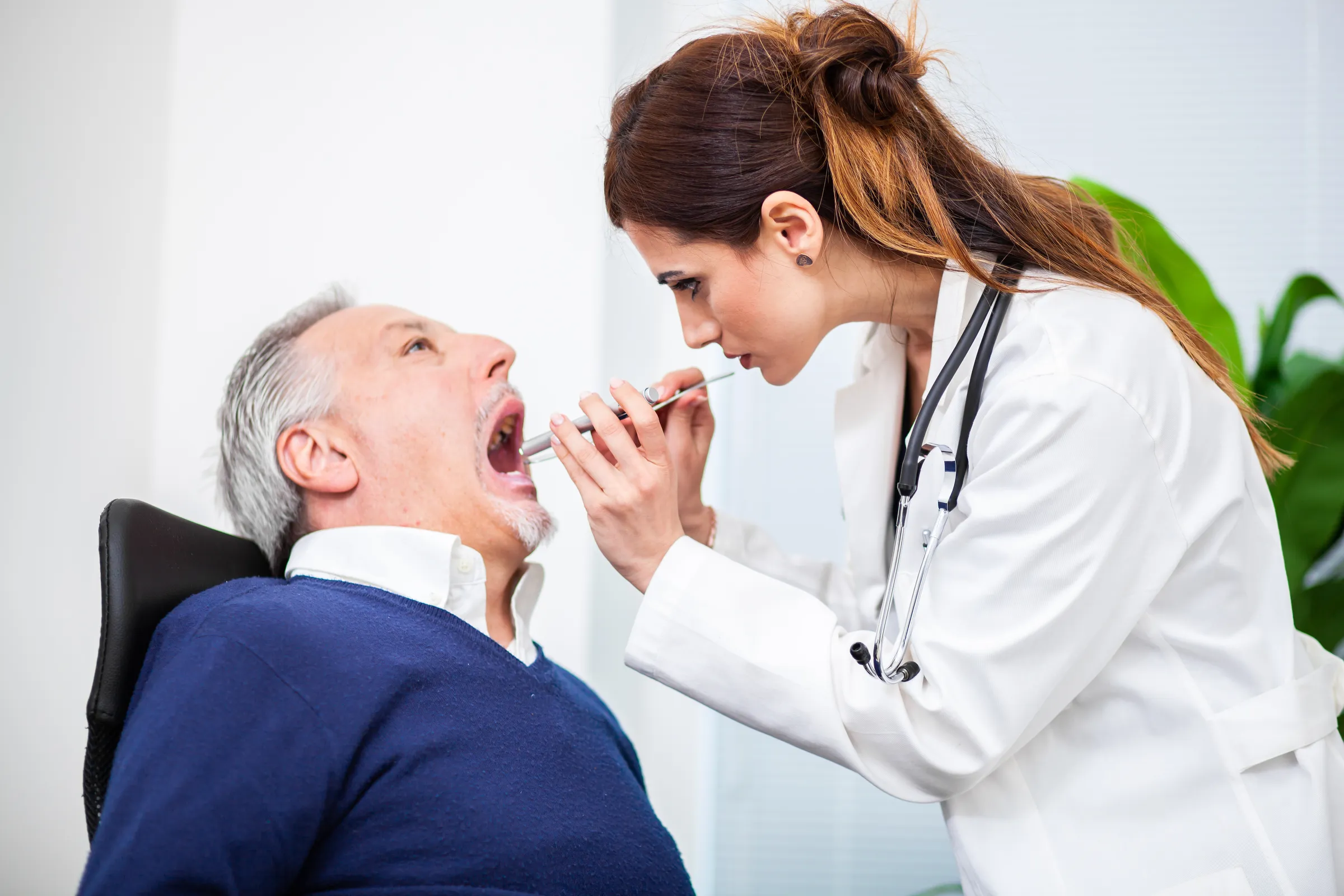
Oral Cancer Exams at Pacific Dental Care
Early detection is critical for successful treatment of oral diseases. At Pacific Dental Care in Glendale, CA, we provide comprehensive oral cancer screenings to identify lesions, cysts, tumors, or other abnormalities before they progress.
What Happens During an Oral Cancer Screening?
Because many benign conditions resemble precancerous or cancerous lesions, every finding is evaluated carefully. Your screening may include visual and tactile exams, intraoral photos, and additional diagnostic tests when needed to better understand the cause of symptoms.
- Visual & Tactile Examination A careful review of soft tissues for changes in color, texture, or shape.
- Intraoral Imaging Detailed photos document the appearance of lesions over time.
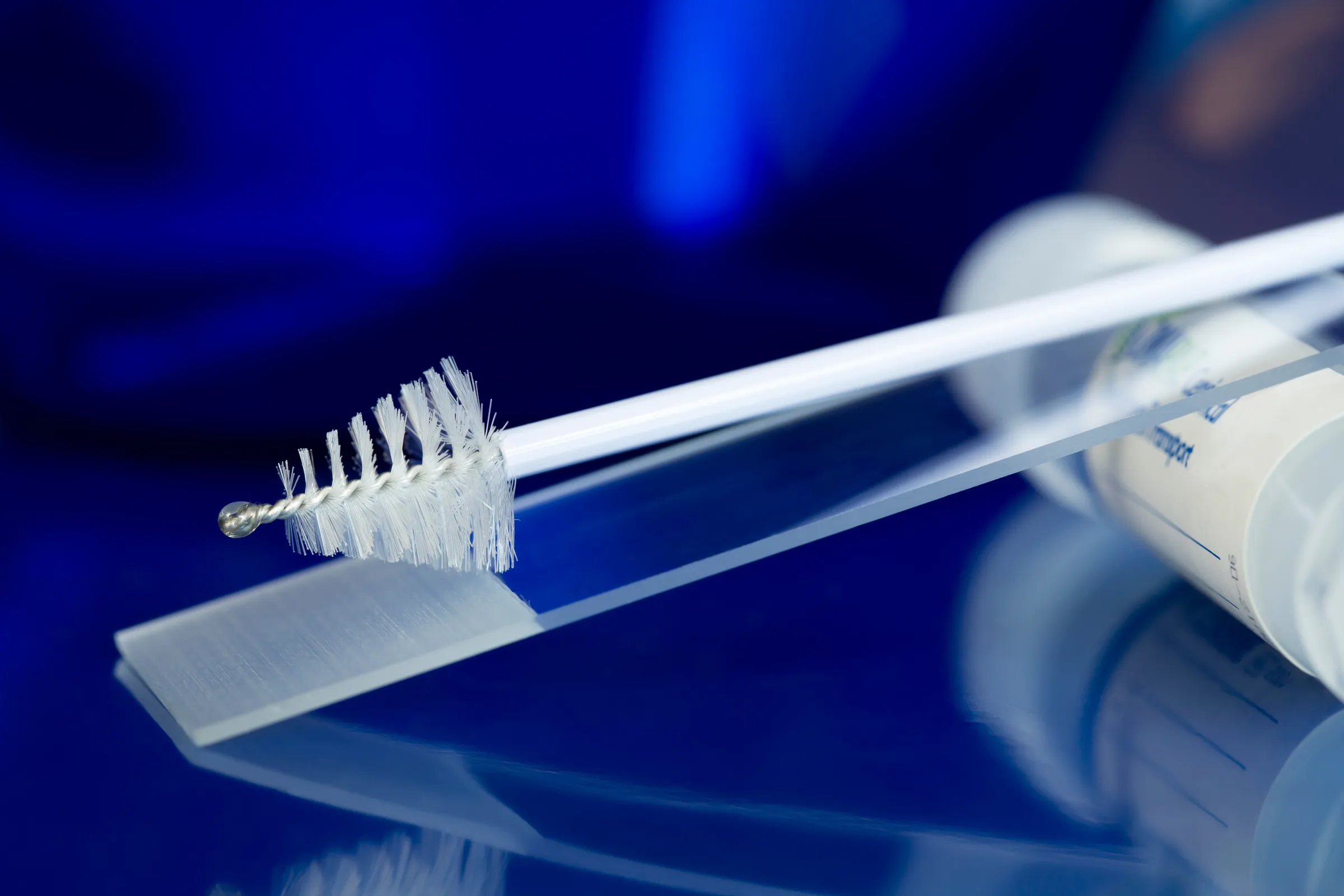
- Diagnostic Testing Additional evaluations may be recommended to pinpoint the cause of unusual findings.
Understanding Treatment Options
Treatment depends on the type and severity of the diagnosed condition. Some lesions may require simple in-office removal, while others may need referral to an oral surgeon or specialist for further care. Our team provides clear guidance every step of the way.
- Precision imaging to support early detection
- Biopsy or referral recommendations when appropriate
- Personalized monitoring based on risk and health history
Why Annual Screenings Matter
Oral cancer screenings are recommended at least once a year, or more frequently for patients with higher risk factors. Routine exams help ensure early diagnosis and faster, more effective treatment. To schedule your screening or ask questions, simply call our office or contact our team.
The short answer
An oral cancer screening is a quick, comfortable exam that looks for early signs of abnormal tissue changes in the mouth, such as lesions, cysts or tumors. It includes a visual and tactile examination of the soft tissues for changes in color, texture or shape, with intraoral photos and further diagnostic testing when needed. Because early detection improves treatment success, screenings are recommended at least once a year, or more often for patients with higher risk factors.
Oral Cancer Screening FAQs
- Why are oral cancer screenings important?
- Oral cancer screenings are important because early detection significantly improves treatment success. A screening can identify changes before they become more serious. Many conditions do not cause noticeable symptoms at first. Routine exams help ensure an early diagnosis and faster, more effective treatment.
- Is the screening painful?
- No, an oral cancer screening is not painful. The screening is quick, noninvasive and comfortable for most patients. It involves a visual and tactile exam of the soft tissues. Intraoral photos may be taken to document what we see.
- How often should I get screened?
- Most patients benefit from an oral cancer screening at least once a year. Patients with higher risk factors may need screenings more often. Your health history and habits help determine the right schedule. We recommend a monitoring plan based on your risk.
- What symptoms should I watch for?
- Symptoms to watch for include persistent sores, lumps, red or white patches, difficulty swallowing and unexplained bleeding. Any of these should be evaluated promptly. Many benign conditions can look similar to more serious ones. A careful evaluation is the only way to know the cause.
- What happens if something abnormal is found?
- If something abnormal is found, we may recommend additional imaging, monitoring or a biopsy. Many benign conditions resemble precancerous lesions, so every finding is evaluated carefully. Some lesions can be removed in the office, while others need referral to an oral surgeon or specialist. Our team guides you through each step.
- Can lifestyle habits increase my risk?
- Yes, lifestyle habits can increase your risk of oral cancer. Tobacco use, alcohol consumption, excessive sun exposure and certain infections may all raise it. Patients with these risk factors may benefit from more frequent screenings. We can talk with you about your own risk.
- How do I schedule a screening?
- Scheduling an oral cancer screening is simple. Call our office or contact our team to arrange your exam or ask questions. Screenings are often part of a routine dental visit. Let us know about any symptoms when you book.
Best Dental Experience
Dr. Marine’s patient care is impeccable. Her attention to detail is exceptional, and she never takes shortcuts. She always recommends what’s truly best for her patients — even if it takes more time. She creates beautiful, natural-looking veneers that reflect her dedication to both function and aesthetics.


Real Smiles. Real Results


Affordable Care
We accept all major credit cards, debit cards, cash and checks. We also accept many dental insurance plans and for those who qualify, we partner with CareCredit for affordable monthly payments.

Schedule Appointment
Call us now at (818) 547-4949 or visit at 532 W Glenoaks Blvd , Glendale, CA 91202