
Fixed Tooth Replacement
Dental Bridges in Glendale, CA
Secure, natural-looking bridges that fill gaps and restore your full smile.
Dental bridges at Pacific Dental Care in Glendale, CA offer a reliable way to replace one or more missing teeth. By anchoring a custom restoration to neighboring teeth or implants, we can close gaps, improve your bite, and help you smile and chew with confidence again.
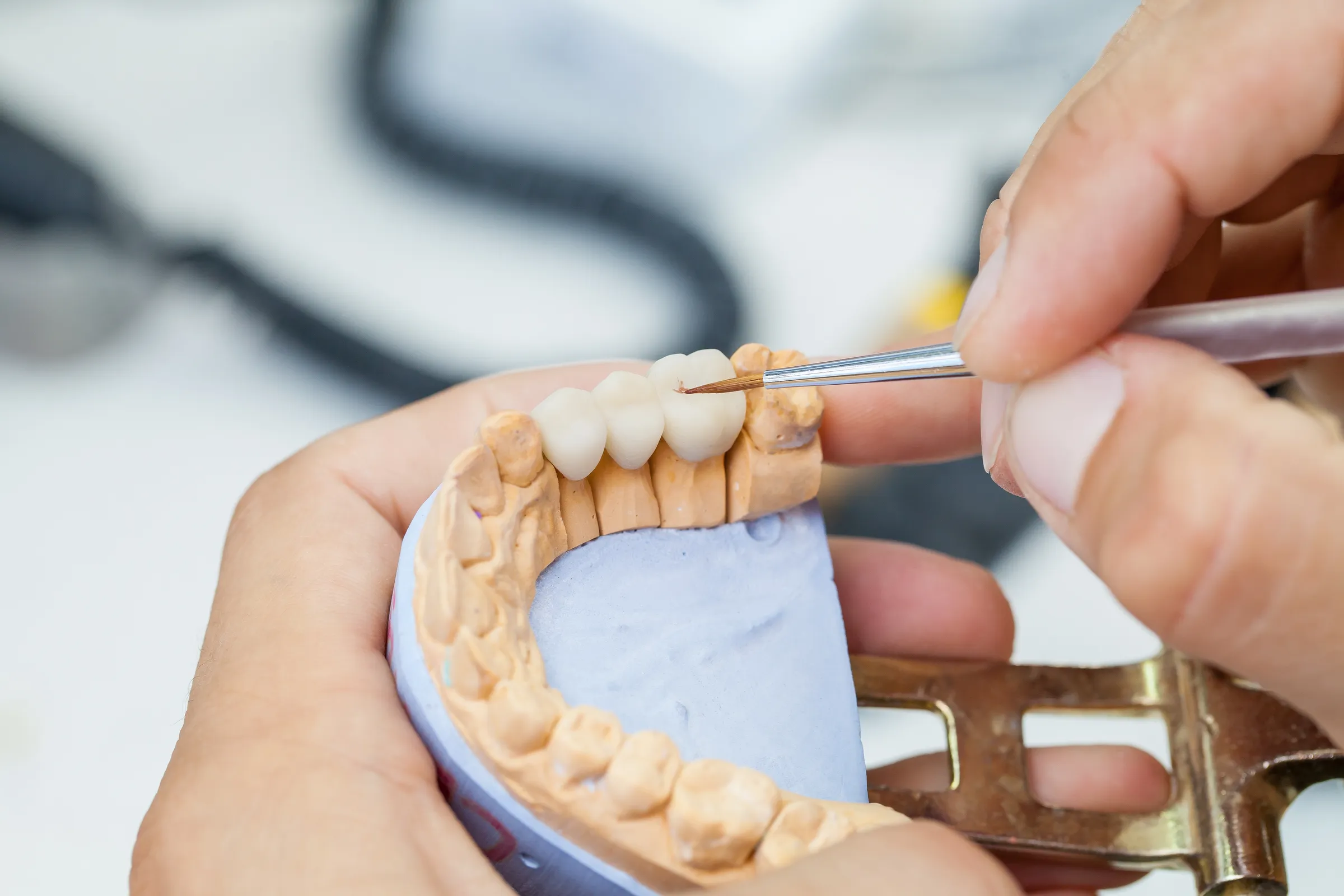
Dental Bridges in Glendale, CA
Restore Your Smile with Dental Bridges
A dental bridge uses one or more replacement teeth (pontics) supported by neighboring teeth or dental implants. Bridges are fixed in place, so you don’t remove them for cleaning or sleeping. With proper design and materials, they can look very natural and feel secure in everyday use.
Jump to: Types of Bridges →, Traditional Bridges →, Implant-Supported Bridge →, Cantilever Bridges →, Porcelain-Fused-to-Metal Crowns →
Why Choose a Dental Bridge?
Missing teeth can affect more than your appearance. Bridges help restore balance, prevent movement, and protect your remaining teeth and jaw.
- Improved Chewing & Speech Replaces missing teeth so you can eat and speak more comfortably.
- Prevents Shifting Helps keep neighboring teeth from drifting into empty spaces.
- Natural Appearance Custom-crafted to match the color and contour of your existing teeth.
Types of Dental Bridges
We offer several bridge designs and materials to match your specific needs, bite forces, and cosmetic goals.
- Traditional Bridges – Supported by crowns placed on the teeth next to the gap.
- Implant-Supported Bridges – Anchored to dental implants rather than natural teeth.
- Cantilever Bridges – Supported on only one side when a tooth is missing at the end of an arch.
- Porcelain-Fused-to-Metal (PFM) Crowns – Often used as the supporting crowns on a bridge for strength and aesthetics.
Traditional Bridges
Traditional bridges are the most common design. The teeth on either side of the missing tooth are reshaped to receive crowns, which then support the replacement tooth in between. This option is effective when neighboring teeth are strong and can benefit from crowns for added protection.
Implant-Supported Bridge
Implant-supported bridges use one or more dental implants as anchors instead of neighboring teeth. This approach is especially useful when several teeth in a row are missing, or when the adjacent teeth are healthy and do not need crowns. Implants provide strong, stable support and help maintain jawbone volume over time.
Cantilever Bridges
Cantilever bridges are used when there is only one natural tooth available next to the missing space. The supporting crown is placed on that single tooth, and the pontic extends into the gap. This design is used selectively in areas with lighter chewing forces and requires careful planning to avoid excess stress.
Porcelain-Fused-to-Metal Crowns
Porcelain-fused-to-metal (PFM) crowns are often chosen for bridge anchors (abutment teeth) because they combine strong metal support with a tooth-colored porcelain exterior. The porcelain layer helps the bridge blend with surrounding teeth, while the metal framework provides durability. In some cases, if gums recede over time, a thin metal edge may become visible near the gumline, which we discuss during planning.
The Dental Bridge Procedure & Aftercare
The bridge process usually takes two or more visits. After preparing the supporting teeth or implants, we take impressions or digital scans and place a temporary restoration while your final bridge is fabricated. At your follow-up visit, the permanent bridge is tried in, adjusted, and bonded or secured in place.
- Daily Care Brush and floss carefully, including cleaning under the bridge with floss threaders or special tools.
- Routine Checkups Regular visits help us monitor the fit, bite, and health of the supporting teeth or implants.
- Smart Habits Avoid biting very hard objects to protect both your bridge and natural teeth.
If you are missing one or more teeth and want to know whether a bridge is right for you, simply call our office or contact our team to schedule a consultation.
Dental Bridges FAQs
- How long do dental bridges last?
- With good oral hygiene and regular checkups, bridges can last 10–15 years or longer. Longevity depends on the health of the supporting teeth or implants and your home care.
- Are bridges better than dentures?
- Bridges are fixed in place and feel more like natural teeth, while dentures are removable. The best choice depends on how many teeth are missing, bone support, and your goals.
- Is getting a bridge painful?
- The supporting teeth or implants are numbed during preparation, so the procedure is generally comfortable. Some mild soreness afterward is common and usually short-lived.
- Will my bridge look natural?
- Yes. Your bridge is custom shaded and shaped to blend with your existing teeth for a natural, seamless appearance.
- What is the difference between a traditional and implant-supported bridge?
- A traditional bridge uses crowns on neighboring teeth for support, while an implant-supported bridge attaches to implants placed in the jawbone, avoiding the need to crown healthy teeth.
- How do I clean around a bridge?
- Brush as usual and use floss threaders, interdental brushes, or other recommended tools to clean under and around the bridge to prevent decay and gum disease.
- How do I get started?
- To explore dental bridge options and see what’s best for your situation, simply call our office or contact our team to schedule an evaluation.
Best Dental Experience
Dr. Marine’s patient care is impeccable. Her attention to detail is exceptional, and she never takes shortcuts. She always recommends what’s truly best for her patients — even if it takes more time. She creates beautiful, natural-looking veneers that reflect her dedication to both function and aesthetics.

Real Smiles. Real Results


Affordable Care
We accept all major credit cards, debit cards, cash and checks. We also accept many dental insurance plans and for those who qualify, we partner with CareCredit for affordable monthly payments.

Schedule Appointment
Call us now at (818) 396-7777 or visit at
532 W Glenoaks Blvd. Glendale, CA 91202
Office Hours
- Monday – 8:00 am – 6:00 pm
- Tuesday – 8:00 am to 6:00 pm
- Wednesday – 8:00 am to 6:00 pm
- Thursday – 8:00 am to 6:00 pm
- Friday – 9:00 am to 3:00 pm
- Saturday / Sunday – Closed