
Advanced Gum Health
Deep Cleaning (Scaling & Root Planing) in Glendale, CA
Gentle, targeted treatment to halt gum disease and restore a healthier foundation for your smile.
Deep cleaning at Pacific Dental Care in Glendale, CA treats gum disease at its source by removing bacteria below the gumline. Scaling and root planing smooth the tooth roots, reduce inflammation, and help your gums reattach—protecting long-term oral health and preventing further damage.
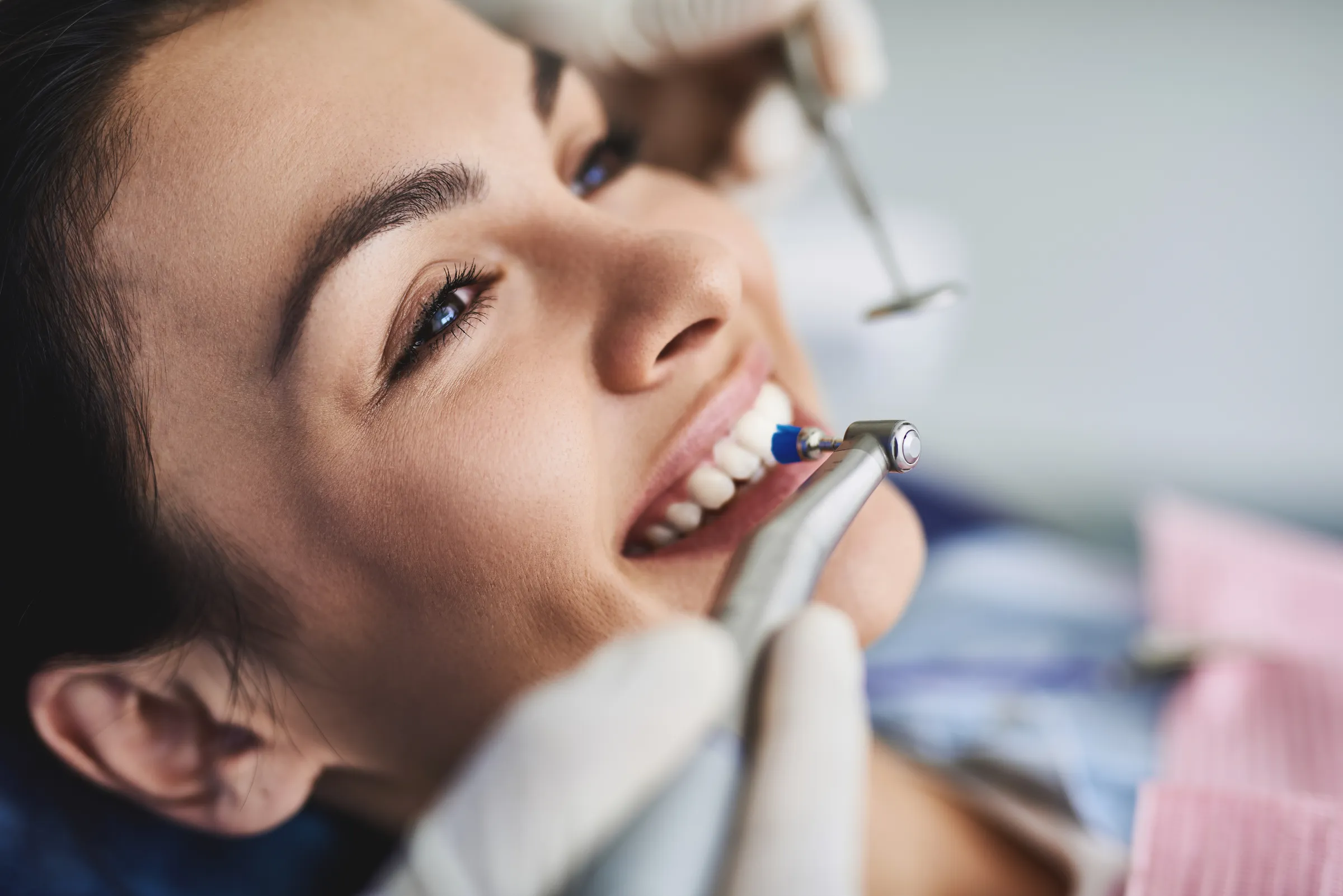
Deep Cleaning in Glendale, CA
Deep Cleaning to Treat and Prevent Gum Disease
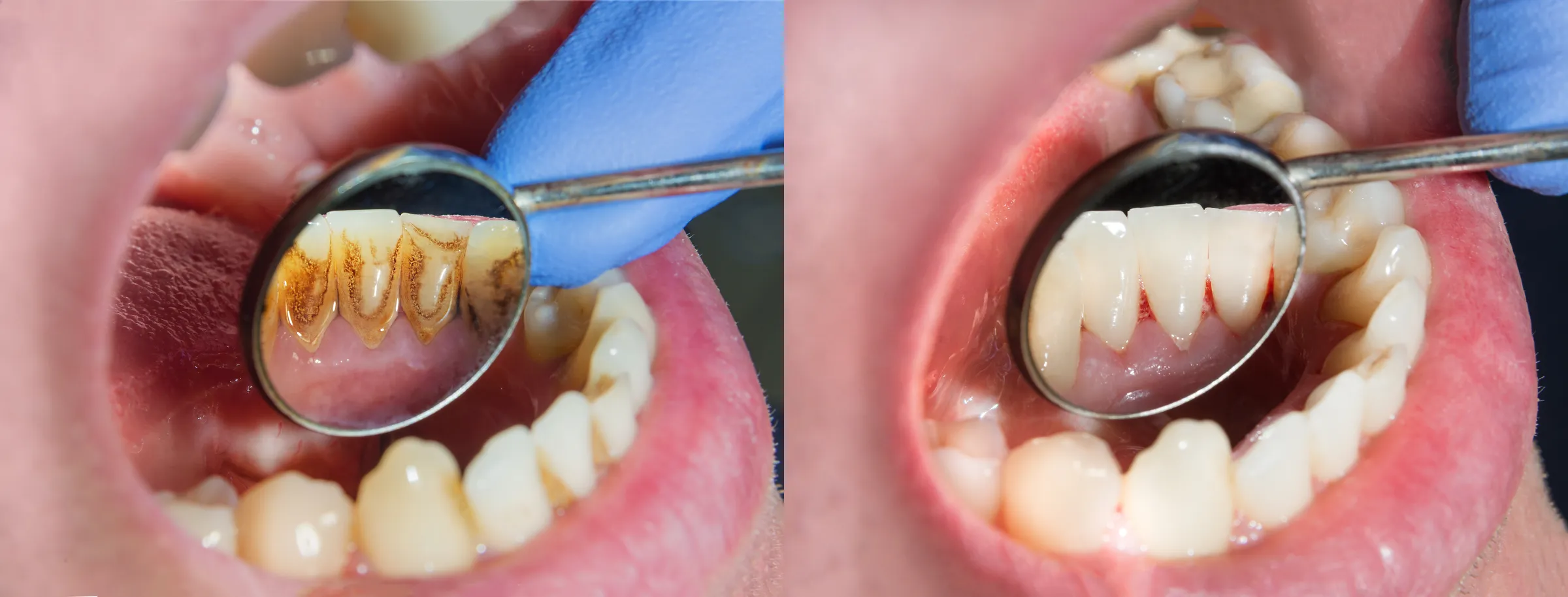
When plaque and tartar collect beneath the gums, pockets form and allow bacteria to thrive. Deep cleaning is a non-surgical treatment that removes this buildup and creates a clean environment for healing. At Pacific Dental Care, we use a gentle, patient-centered approach to stop gum disease before it progresses.
Jump to: Why Deep Cleaning Is Needed →, How Scaling & Root Planing Works →, Aftercare & Healing →
Why Deep Cleaning Is Recommended
Scaling and root planing is prescribed when signs of gum disease appear—often before symptoms become severe. Early treatment prevents progression to periodontitis, a condition that can lead to bone loss and tooth loss.
- Red, Swollen, or Bleeding Gums Removing bacteria reduces inflammation and supports healing.
- Deep Periodontal Pockets Treatment helps reduce pocket depth.
- Tartar Below the Gumline Removes buildup that brushing and regular cleanings cannot reach.
How Scaling & Root Planing Works
Deep cleaning is typically completed over one or more appointments depending on the extent of gum inflammation. Local anesthesia may be used to ensure comfort throughout the procedure.
- Scaling removes hardened plaque and bacteria from root surfaces.
- Root planing smooths the roots to help gums reattach more securely.
- Improved gum attachment reduces pocket depth and future infection.
- Ultrasonic instruments may be used for enhanced comfort and precision.
This gentle, non-surgical therapy is one of the most effective treatments for early to moderate gum disease.
Aftercare & Healing
Most patients experience noticeable improvement within days. Mild tenderness or sensitivity is normal and temporary, and the gums often become firmer and less inflamed quickly.
- Resume Normal Brushing Clean gently along the gumline to prevent future buildup.
- Use Warm Salt Water Rinses Helps soothe the gums and promote healing.
- Schedule Periodontal Maintenance Follow-up cleanings every 3–4 months help maintain results.
If you’re experiencing bleeding gums, tenderness, or signs of gum disease, call our office or contact our team to schedule a periodontal evaluation.
Deep Cleaning FAQs
- Is scaling and root planing painful?
- The procedure is typically done with local anesthesia to ensure comfort. Mild tenderness afterward is normal and temporary.
- How do I know if I need a deep cleaning?
- If you have gum inflammation, bleeding, tartar under the gums, or deep periodontal pockets, a deep cleaning may be recommended after an exam.
- How long does it take for gums to heal?
- Most patients notice improvement within a few days. Full healing and gum reattachment may continue for several weeks.
- Will gum disease come back after treatment?
- With good home care and regular periodontal maintenance visits, deep cleaning can significantly slow or stop disease progression.
- Is deep cleaning the same as a regular cleaning?
- No. A regular cleaning removes plaque above the gumline. Deep cleaning removes bacteria and calculus below the gums and treats active infection.
- Do I still need deep cleaning if my gums don’t hurt?
- Yes. Gum disease is often painless in early stages. Bleeding, inflammation, or deep pockets are important warning signs even without discomfort.
- How do I schedule a deep cleaning?
- Simply call our office or contact our team to schedule an exam and determine whether deep cleaning is right for your gum health.
Best Dental Experience
Dr. Marine’s patient care is impeccable. Her attention to detail is exceptional, and she never takes shortcuts. She always recommends what’s truly best for her patients — even if it takes more time. She creates beautiful, natural-looking veneers that reflect her dedication to both function and aesthetics.

Real Smiles. Real Results


Affordable Care
We accept all major credit cards, debit cards, cash and checks. We also accept many dental insurance plans and for those who qualify, we partner with CareCredit for affordable monthly payments.

Schedule Appointment
Call us now at (818) 396-7777 or visit at
532 W Glenoaks Blvd. Glendale, CA 91202
Office Hours
- Monday – 8:00 am – 6:00 pm
- Tuesday – 8:00 am to 6:00 pm
- Wednesday – 8:00 am to 6:00 pm
- Thursday – 8:00 am to 6:00 pm
- Friday – 9:00 am to 3:00 pm
- Saturday / Sunday – Closed