
TMJ & Bite Therapy
TMJ Treatment in Glendale, CA
Personalized solutions to relieve jaw pain, headaches, and bite-related discomfort.
TMJ disorders can cause daily discomfort, from jaw pain and headaches to clicking sounds and difficulty opening or closing your mouth. At Pacific Dental Care in Glendale, CA, we identify the underlying cause of your TMJ symptoms and provide customized treatment to restore comfort and balance to your bite.
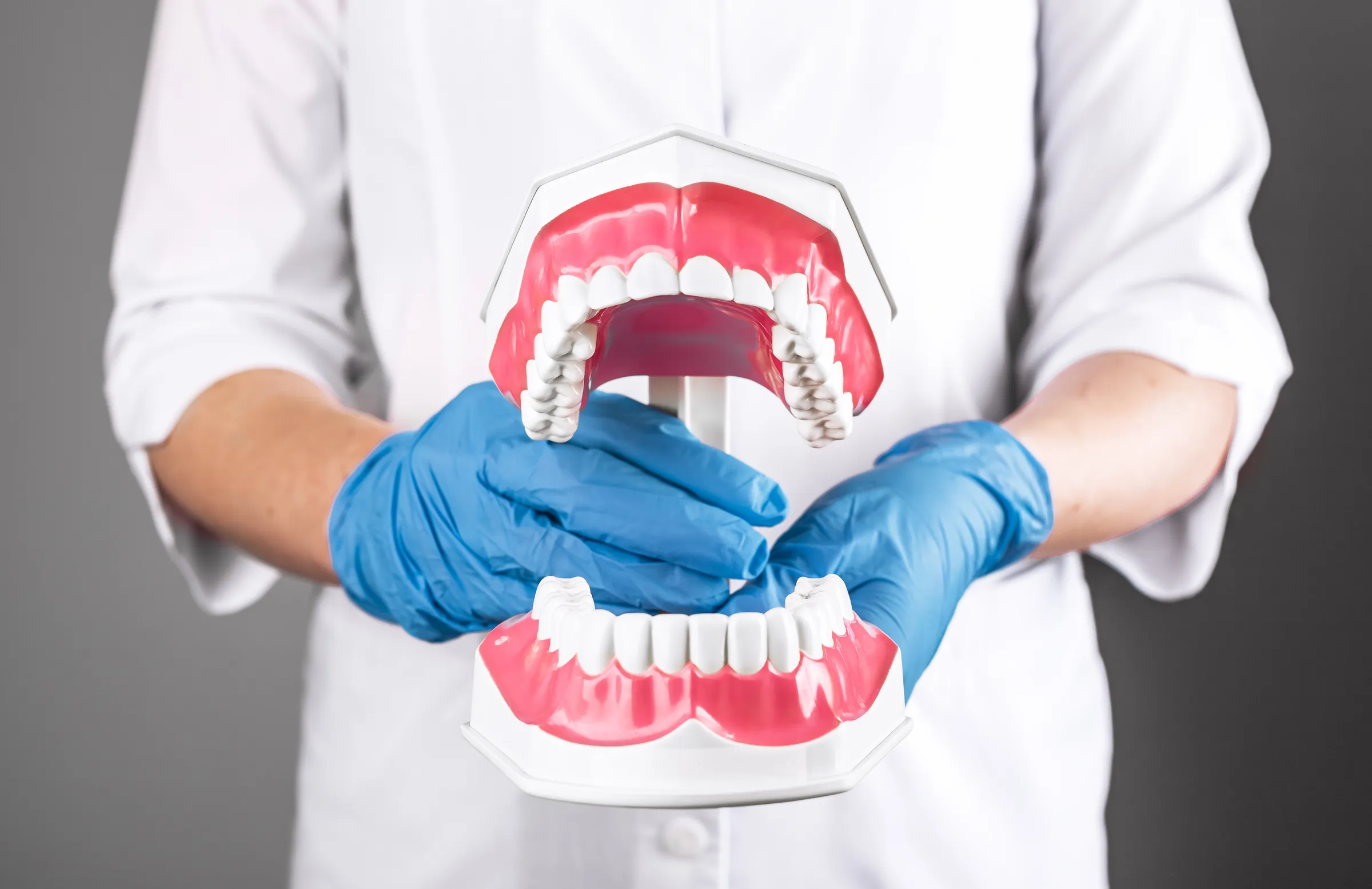
TMJ Treatment in Glendale, CA
TMJ Relief at Pacific Dental Care
The temporomandibular joint (TMJ) plays a vital role in speaking, chewing, and everyday function. When it becomes strained or misaligned, painful symptoms can develop. At Pacific Dental Care in Glendale, CA, we take a comprehensive approach to diagnosing and treating TMJ disorders for long-term relief.
Understanding TMJ Disorders
The TMJ connects the jawbone to the skull with a disc that cushions movement. If the disc slips or the joint becomes inflamed, it can lead to muscle tension, bite imbalance, and chronic discomfort.
- Jaw Pain & Stiffness Discomfort when opening, closing, or chewing.
- Chronic Headaches Tension from clenching or grinding often radiates to the temples.
- Clicking or Popping Sounds that indicate changes in joint alignment.
How TMJ Treatment Works
Treatment aims to reduce strain on the joint and correct issues related to clenching, grinding, or jaw positioning. After evaluating your symptoms and bite, we create a personalized plan tailored to your anatomy and daily needs.
- Custom oral appliances to reduce clenching and protect the joint
- Bite adjustments to improve alignment and comfort
- Guidance on lifestyle modifications to reduce muscle tension
A Personalized Approach to TMJ Care
Every TMJ case is unique, which is why our team takes time to assess jaw movement, bite balance, muscle tension, and contributing habits such as nighttime grinding. Our goal is to relieve discomfort while helping you maintain long-term joint health. To discuss symptoms or schedule a consultation, simply call our office or contact our team.

The short answer
TMJ treatment is care for disorders of the temporomandibular joint, which connects the jawbone to the skull and can cause jaw pain, headaches, clicking and difficulty opening or closing the mouth. After an evaluation of your symptoms, bite, jaw movement and habits such as nighttime grinding, treatment may include a custom oral appliance, bite adjustments and guidance on reducing muscle tension. The aim is to reduce strain on the joint, relieve discomfort and support long-term joint health.
TMJ Treatment FAQs
- What causes TMJ disorders?
- Common causes of TMJ disorders include clenching, grinding, inflammation, bite misalignment, arthritis or a displaced joint disc. The joint has a disc that cushions its movement. If that disc slips or the joint becomes inflamed, muscle tension and bite imbalance can follow. An evaluation helps identify which factors are behind your symptoms.
- Are TMJ problems linked to headaches?
- Yes, TMJ problems are often linked to headaches. Tension in the jaw muscles often radiates to the temples. That can cause frequent headaches or migraines. Clenching or grinding, especially at night, is a common source of that tension.
- How do oral appliances help?
- Custom oral appliances help by reducing pressure on the jaw joint. They also prevent clenching or grinding while you wear them. That allows the jaw muscles to relax. Each appliance is made to fit your bite.
- Will TMJ problems go away on their own?
- Some mild TMJ cases improve on their own, but ongoing pain or clicking often needs an evaluation. Getting it checked helps prevent the symptoms from getting worse. An evaluation looks at your jaw movement, bite balance and muscle tension. We then recommend a plan suited to your case.
- Can TMJ disorders affect eating or speaking?
- Yes, TMJ disorders can affect eating and speaking. Limited jaw movement, stiffness and pain can interfere with chewing. They can also make everyday function uncomfortable. Treatment aims to restore comfortable movement of the jaw.
- How long does TMJ treatment take?
- How long TMJ treatment takes varies with the severity of the problem. Many patients feel relief within weeks of using a custom appliance or making the recommended adjustments. More complex cases may need longer. We review your progress and adjust the plan as needed.
- How can I schedule a TMJ evaluation?
- Scheduling a TMJ evaluation is simple. Call our office or contact our team to discuss your symptoms or book a visit. At the evaluation we assess your jaw, bite and habits. We then create a personalized treatment plan.
Best Dental Experience
Dr. Marine’s patient care is impeccable. Her attention to detail is exceptional, and she never takes shortcuts. She always recommends what’s truly best for her patients — even if it takes more time. She creates beautiful, natural-looking veneers that reflect her dedication to both function and aesthetics.


Real Smiles. Real Results


Affordable Care
We accept all major credit cards, debit cards, cash and checks. We also accept many dental insurance plans and for those who qualify, we partner with CareCredit for affordable monthly payments.

Schedule Appointment
Call us now at (818) 547-4949 or visit at 532 W Glenoaks Blvd , Glendale, CA 91202